
Where do a handler’s paid hours go?
Shifts sized for the busiest hour are held all day, so the quiet hours are paid too. At Budapest Airport, planning to the flights took paid hours from 21,000 to 17,000 a month at the same flight volume.
Running live at Budapest Airport
OptiFlight plans 120 ground handling staff at Budapest Airport against live flight data. It is in production, with more than 42,000 assignments made so far.


Shifts sized to the flights
Staff follow demand hour by hour, not the peak. 21,000 → 17,000 a month at the same flight volume.
Every flight covered
Every flight covered with the right skills and headcount.
Cover planned, not called in
Reserve sized from delay history per airline.
Admin done by the system
Roster, leave, training expiry and reports come out of one system, not Excel.
Production data, Budapest Airport.
Flat shifts mean idle hours and gaps
The flights create work hour by hour. Two flat shifts keep the same headcount from start to finish, so some hours are paid with nothing to do and others are short.
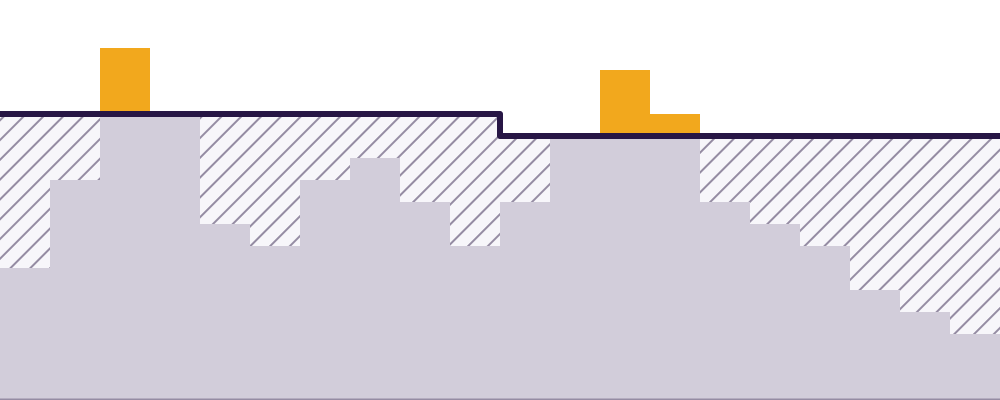
- Work what the flight schedule creates, hour by hour
- Staff two flat shifts, the same headcount all shift
- Hatched hours paid with no work to cover
- Amber more work than staff on duty: overtime, late turnarounds, SLA risk
Qualifications, rest rules and the collective agreement are matched by hand, so planners stay with the shape that is safe.
Planned before the day, re-planned during it
Planning runs in production at Budapest Airport. When the day moves, unexpected events are handled inside the same rules.
Demand
Flights paired into turnarounds, then into work per hour and skill.
Rules
Skills, valid training, rest rules and the collective agreement: the handler’s own.
Solve
erdosP-3 builds the allocation inside every rule.
Adjust
Supervisors change the plan in plain language; each change is re-checked.
Notify
Shifts go out to staff, and call-ins go out for open slots.
The solver makes the allocation. The language model only turns what a supervisor says into rules the solver can use.
Paid hours: a line the operations director already reports and the CFO already reads.
A supervisor handling a delay doesn't want a settings screen
They say what happened and get an updated plan back. erdosP-3 turns the sentence into constraints, re-solves the shift against the full rule set, and shows the trade-off before anything is committed.
Where the SLA enters the process
Before the day it is a rule in the plan. During and after the day it is on record.
SLA terms
Every flight covered with the right skills and headcount. Hours are cut only inside that.
Roster
Valid training only, with expiry flagged 30 days ahead. Rest and working-time rules. No one on two turnarounds.
Shift start
Late arrival against the plan, from the card reader.
Turnaround
Overlaps flagged as delays come in, with an event and non-conformity register.
Evidence
Service log per flight, plan against actual, ticket export and monthly utilization.
See it applied to your operation
We'll walk through your turnaround pattern and show you where the loop catches what a static plan would miss.